
Turing Certs on IOTA: Building the Trust Layer the Global Economy Has Been Waiting For
2026/4/24

Every cross-border handshake in today’s digital economy begins with the same quiet question: Can I trust this? A diploma from a university abroad. A medical certificate from a clinic in another country. A volunteer ID issued by a global NGO. A renewable energy certificate backing a corporate sustainability claim. Each of these documents travels through a patchwork of PDFs, emails, and phone calls before anyone is confident it’s real — and that friction costs the world billions in duplicated verification, forged documents, and missed opportunities.
Turing Space is building the layer that makes that friction disappear. And it’s doing it on IOTA.
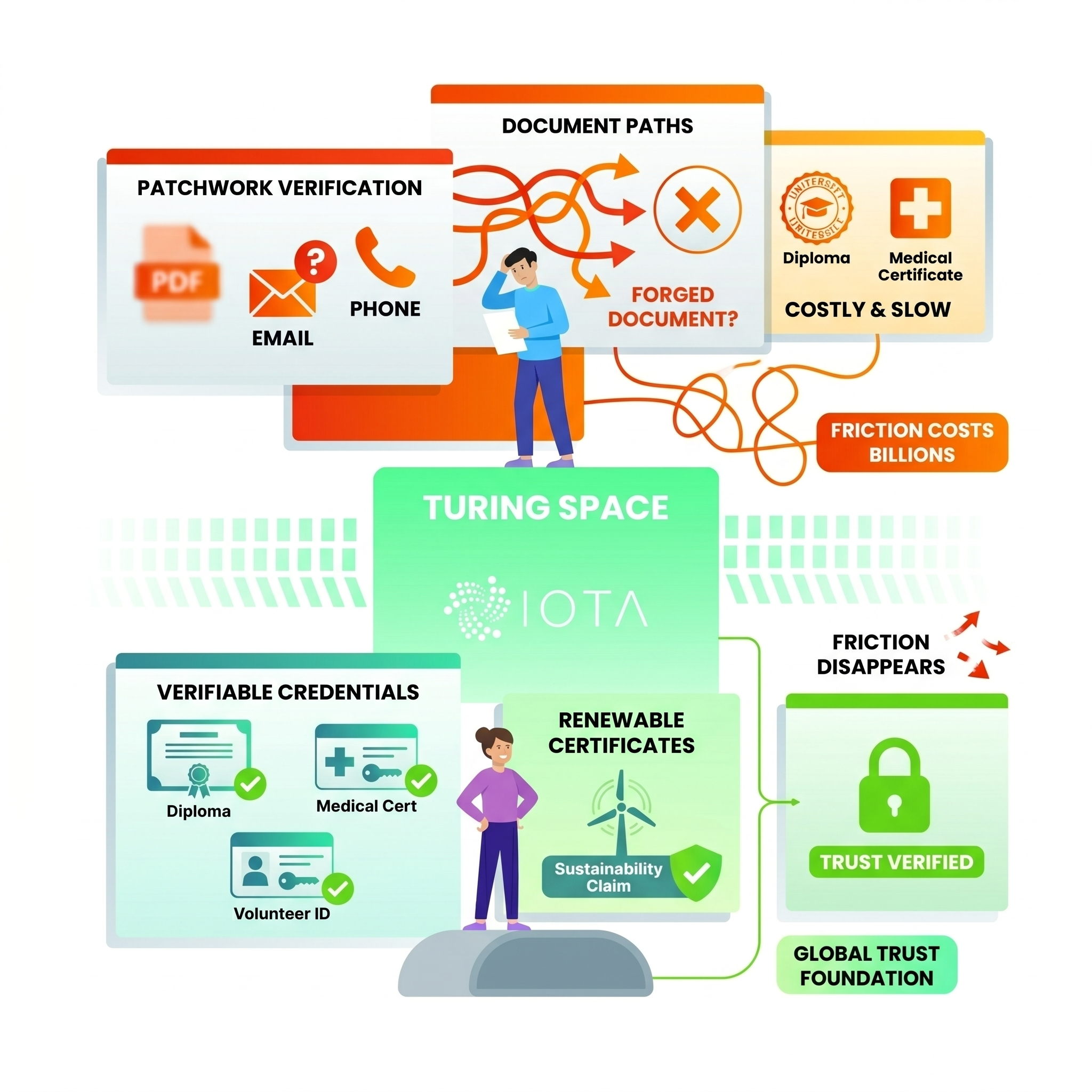
Table of contents
I. Who is Turing Space
II. Three IOTA Building Blocks Powering Turing Certs
- 1. IOTA Identity: Portable DIDs and Verifiable Credentials that travel anywhere
- 2. IOTA Notarization: Making tamper-proof credentials truly tamper-proof
- 3. IOTA Gas Station: Enterprise-grade UX, no tokens required
III. Real-World Proof: What’s Already Running
IV. The Lifelong Passport, and Why IOTA Matters
Who is Turing Space

Founded in 2020, Turing Space is a digital identity and trust solutions provider with offices in the Netherlands, Japan, Taiwan, and the United States. Its flagship product, Turing Certs, is a credential issuance and verification platform already used by more than 500 organizations worldwide, from global health institutions to national energy authorities to universities and multinational employers.
The mission is simple to state and hard to execute: turn any paper certificate into a tamper-proof, instantly verifiable digital credential that works anywhere in the world. The IOTA Trust Framework is what makes that mission technically and economically viable at global scale.
Three IOTA Building Blocks Powering Turing Certs
The IOTA Trust Framework is an open-source suite of modules purpose-built for real-world digital trust. Turing Certs leans on three of them.
1. IOTA Identity: Portable DIDs and Verifiable Credentials that travel anywhere
Every issuer, every holder, and every verifier in the Turing Certs ecosystem is represented by a Decentralized Identifier (DID) anchored through IOTA Identity. Every credential — a diploma, a training certificate, a professional license — is issued as a Verifiable Credential (VC) in the IETF SD-JWT VC format.
Turing Certs originally built on the W3C VC Data Model, but as the platform integrated with more real-world partners, one signal kept repeating: IETF SD-JWT VC is what the ecosystem is actually deploying. It underpins the EU Digital Identity Wallet rollout, IBM’s newly launched verifiable credentials product, and the majority of government and enterprise pilots now going to production. Meeting the market where it actually is was the right call.
The payoff is portability and interoperability. A diploma issued in Taiwan can be presented to an employer in Germany without either side trusting the other’s database, because both trust the cryptographic proofs anchored on IOTA. And any SD-JWT VC-compliant wallet or verifier, which increasingly means any mainstream wallet or verifier, can read them. Turing Certs isn’t building a walled garden; it’s plugging into the standard the world is converging on.
2. IOTA Notarization: Making tamper-proof credentials truly tamper-proof
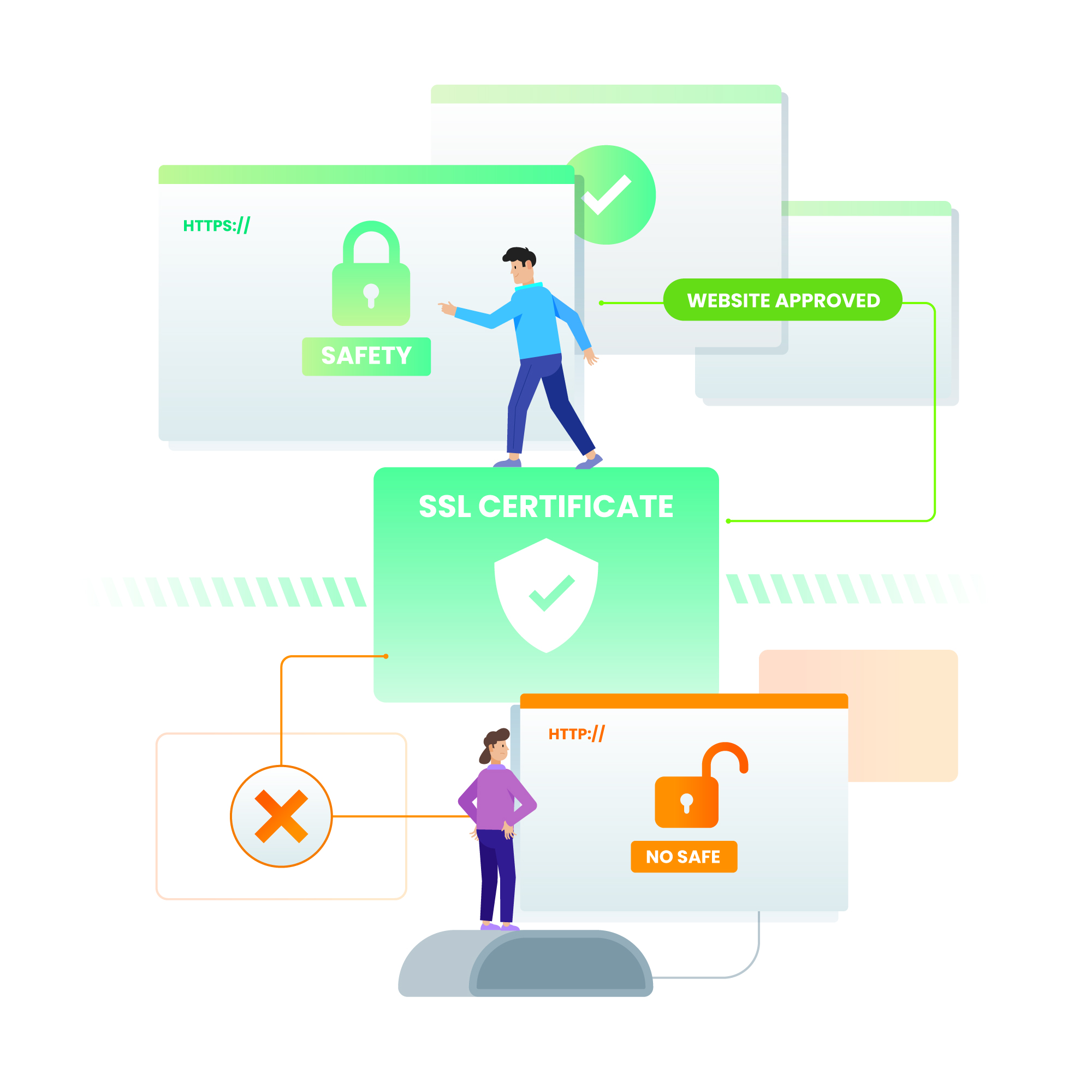
A Verifiable Credential is only as trustworthy as the record it points to. Turing Certs uses SD-JWT-based VCs and anchors each credential’s proof through IOTA Notarization, creating an immutable, timestamped on-chain record that anyone can independently verify.
The power of this design is what it doesn’t require. A verifier in another country doesn’t need to call back to Turing Space’s servers. They don’t need to trust the issuing institution’s IT department. They don’t even need to trust Turing Space. They only need to check the credential’s proof against the IOTA ledger, a verification that takes milliseconds and is secured by the same decentralized consensus protecting the entire network. This is what “tamper-proof” actually means when you unpack it: nobody, including the original issuer, can quietly alter a record after the fact.
3. IOTA Gas Station: Enterprise-grade UX, no tokens required
Here’s the dirty secret of most blockchain-based credential platforms: somewhere in the flow, somebody has to hold tokens and sign transactions. That one detail has killed countless promising pilots with enterprises, governments, and NGOs.
Turing Certs solves it with IOTA Gas Station. Every on-chain transaction generated by the Turing Certs platform itself, such as issuing a credential, anchoring a notarization, or recording a verification, has its gas fees sponsored and paid centrally by Turing Space. The end user issues or receives a credential the same way they’d use any modern SaaS product: no wallets to manage, no tokens to acquire, no friction. For a university issuing 10,000 diplomas at graduation, or an NGO credentialing 12,000 volunteers across 150 countries, that seamlessness isn’t a nice-to-have. It’s the difference between adoption and shelfware.
Real-World Proof: What’s Already Running
Turing Certs isn’t a roadmap. It’s shipping, at serious scale.
World Health Organization (WHO) / PMNCH. Turing Space has issued digital certificates to over 12,000 volunteers across more than 150 countries through a partnership tied to the Partnership for Maternal, Newborn & Child Health. Credentials that once would have been PDFs trapped in inboxes are now portable, verifiable assets these volunteers can present anywhere.
Taiwan’s renewable energy market. Turing Certs has verified more than 4.8 million renewable energy certificates in Taiwan, a volume that puts it among the most heavily-used credential verification systems in the Asia-Pacific region. Each certificate backs real-world corporate sustainability claims that regulators, auditors, and trading partners need to trust.
Higher education, enterprise HR, and professional credentialing. More than 500 organizations rely on Turing Certs today for diplomas, professional certifications, employee credentials, and compliance documents — a footprint that keeps expanding as the platform adds integrations with existing HR, registrar, and identity systems.
Backed by ISO 27001, ISO 27701, and GDPR compliance, Turing Certs is targeting an 80% reduction in verification time and a more than 50% reduction in administrative costs for the organizations that adopt it.
The Lifelong Passport, and Why IOTA Matters
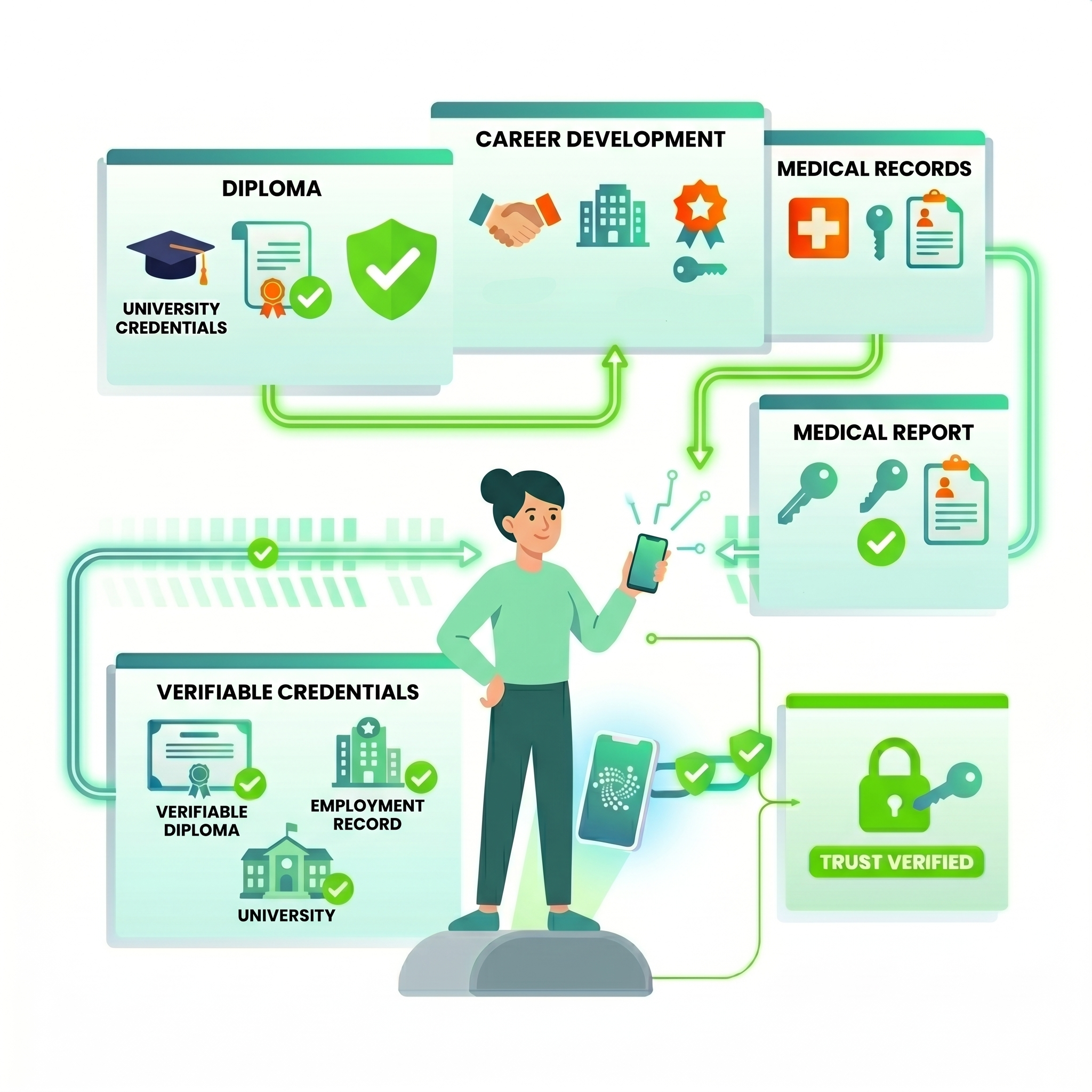
The long-term vision at Turing Space is what the team calls a lifelong passport: a single, verifiable thread that follows a person from their first educational credential through professional development, health records, and milestones of a working life. That future requires an infrastructure that is borderless, extremely low-cost, high-throughput, and globally available. It’s the exact profile IOTA was engineered for.
For the IOTA community, what Turing Space represents is concrete: every credential issued is an end user, a regulator, or an enterprise touching IOTA without needing to know they’re touching IOTA. That’s what real adoption looks like.
Digital trust is one of the largest and stickiest markets in the entire Web3 stack. Turing Space is building a serious international company to win it, and it’s building on IOTA.
 Media Contact|[email protected]